Elevating Software Engineering Management: The Power of Standup Bots and GitHub Analytics
In the fast-paced world of software development, effective software engineering management is the linchpin of success. Managers are constantly seeking innovative strategies and tools to enhance team productivity, streamline communication, and gain clearer insights into complex development workflows. As of July 2026, the landscape of digital collaboration has evolved significantly, with integrated solutions becoming essential for agile teams. This post explores a powerful synergy: combining automated daily standup bots within Google Chat with advanced GitHub analytics to revolutionize how engineering leaders oversee their teams and projects.
Traditional standups, while valuable for daily alignment, can sometimes be time-consuming or lack a direct link to tangible progress. Similarly, raw data from version control systems like GitHub, while rich, often requires significant effort to interpret into actionable insights. The good news is that modern tools are bridging these gaps, offering unprecedented visibility and control to those in software engineering management roles.
The Foundation: Streamlined Standups with Google Chat Bots
Daily standups are a cornerstone of agile methodologies, designed to foster communication, identify blockers, and align team efforts. However, manual standups can disrupt focus, especially for distributed or asynchronous teams. This is where Google Chat standup bots, like Standupify, become invaluable.
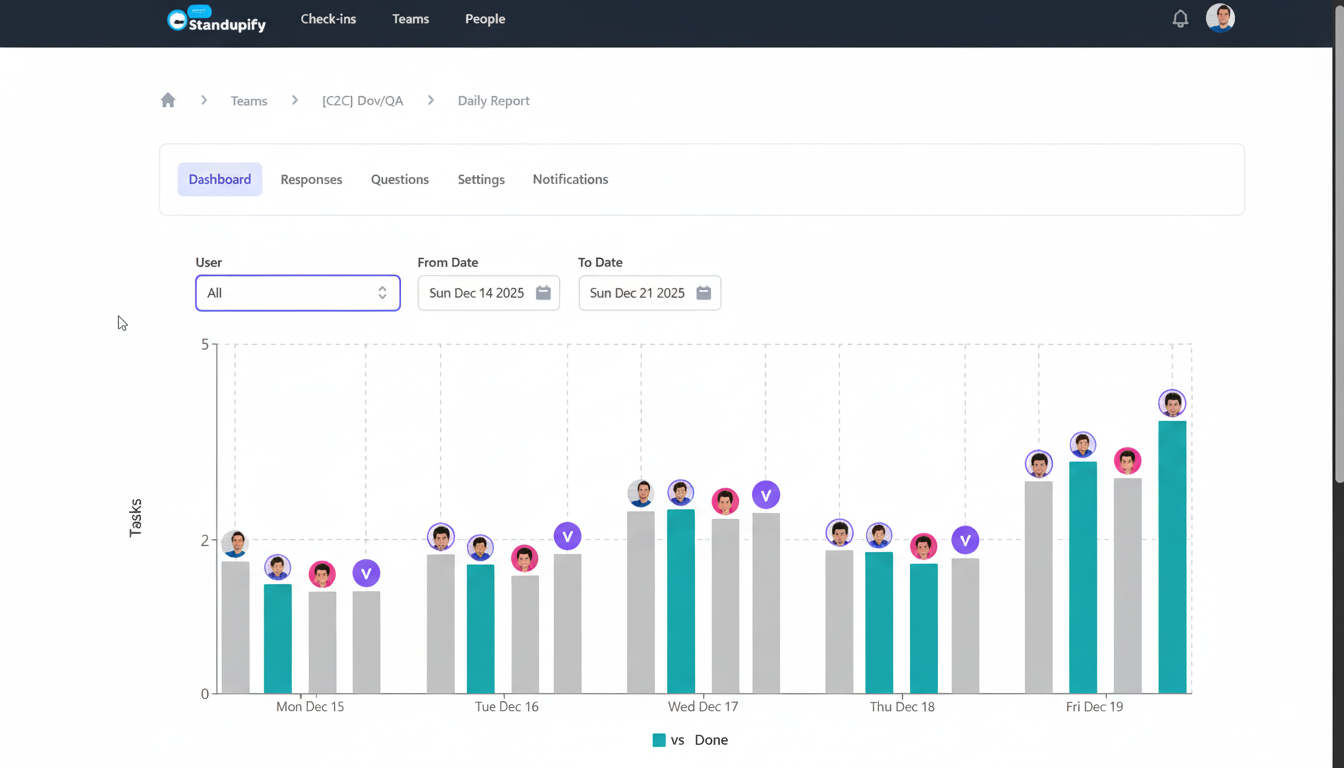
- Automated Check-ins: Standupify automates the collection of 'what I did yesterday,' 'what I'll do today,' and 'any blockers' directly within Google Chat. Team members can provide updates at their convenience, asynchronously, without interrupting their deep work.
- Centralized Communication: All updates are posted in a dedicated Google Chat space, creating a transparent and easily searchable log of daily progress. This significantly reduces the need for lengthy meetings, freeing up valuable engineering time.
- Enhanced Accountability: By consistently sharing updates, team members develop a stronger sense of accountability for their commitments, which is crucial for effective software engineering management.
- Early Blocker Identification: Managers and team leads can quickly scan updates to identify potential roadblocks or dependencies, allowing for proactive intervention before minor issues escalate into major delays.
While automated standups provide excellent real-time visibility into stated progress and immediate challenges, they represent only one side of the coin. To truly master software engineering management, leaders need a deeper, data-driven understanding of actual code contributions, development patterns, and team dynamics.
Adding Depth: AI-Powered GitHub Analytics for Granular Insights
GitHub is the central hub for most modern software development. It contains a wealth of data on commits, pull requests, code reviews, and issue resolution. However, extracting meaningful, actionable insights from this raw data can be a daunting task for engineering managers. This is where AI-powered GitHub analytics tools come into play, transforming raw data into strategic intelligence.
One such powerful platform is DevActivity, which specializes in AI-powered GitHub analytics and gamification. For a comprehensive look at how these tools empower managers, you can explore their dedicated resource on software engineering management with DevActivity. These platforms go beyond simple commit counts, offering sophisticated analyses that reveal:
- Developer Productivity Metrics: Understand individual and team contributions, including code volume, review times, pull request merge rates, and impact on the codebase. This helps managers identify high-impact work and areas for improvement.
- Workflow Bottlenecks: Pinpoint where code gets stuck in the development pipeline – be it in review, testing, or deployment. This allows managers to optimize processes and reduce cycle times.
- Code Quality Trends: Monitor metrics related to code quality, such as bug fix rates, refactoring efforts, and code complexity, providing insights into the health of the codebase.
- Team Collaboration Patterns: Visualize how teams collaborate on code, identifying key contributors, potential knowledge silos, and opportunities for better cross-functional interaction.
- Engagement and Gamification: Some platforms, like DevActivity, also incorporate gamification elements to boost team engagement and foster a culture of continuous improvement, turning data into motivation.
The Synergistic Advantage: Google Chat Bots + GitHub Analytics
The true power for software engineering management emerges when you combine the proactive, real-time communication facilitated by Google Chat standup bots with the retrospective, data-driven insights from GitHub analytics. This combination creates a 360-degree view of your engineering team's performance and well-being.
Real-time Communication Meets Data-Driven Validation
Imagine a scenario where a team member reports a blocker in their Standupify update. A manager sees this immediately in Google Chat. With integrated GitHub analytics, the manager can then quickly cross-reference this with recent activity on the relevant repository. Has the developer been stuck on the same task for a few days? Are there specific pull requests that have been pending review for an unusually long time? This immediate context allows for more informed and targeted support.
Proactive Problem Solving and Strategic Planning
Automated standups help catch daily issues. GitHub analytics reveals underlying trends. If standups consistently show delays in a particular area, and analytics confirms a pattern of slow code reviews or frequent reworks for a specific module, the manager has concrete data to address systemic issues. This moves software engineering management from reactive problem-solving to proactive strategic planning for process improvements, training, or resource allocation.
Fostering Transparency and Trust
When team members know that their daily updates are valued and that their code contributions are being analyzed objectively, it fosters a culture of transparency. Managers can use analytics not for micromanagement, but to celebrate achievements, identify coaching opportunities, and ensure equitable workload distribution. This builds trust and empowers engineers to take ownership of their work and growth.
Optimizing Resource Allocation and Project Forecasting
With a clear understanding of individual and team capacity, workflow bottlenecks, and typical cycle times derived from GitHub analytics, managers can make more accurate predictions for project timelines. This data, combined with daily updates on progress and blockers, leads to more realistic resource allocation and improved project forecasting, a critical aspect of effective software engineering management.
Conclusion
The future of software engineering management is integrated, data-informed, and highly efficient. By leveraging the power of automated Google Chat standup bots like Standupify for seamless daily communication and combining it with the deep, actionable insights provided by AI-powered GitHub analytics platforms such as DevActivity, engineering leaders can unlock unprecedented levels of visibility and control. This dual approach not only streamlines operations and boosts team coordination but also cultivates an environment where engineers can thrive, leading to faster delivery of high-quality software and sustained organizational success.