Optimizing Your Engineering Workflow with Automated Standups and GitHub Analytics
In today's fast-paced development landscape, an optimized engineering workflow isn't just a luxury—it's a necessity. Teams constantly seek ways to enhance productivity, foster collaboration, and ensure that every sprint delivers maximum value. While daily standups have become a cornerstone of agile methodologies, providing vital synchronization, their true potential is unlocked when combined with deeper, data-driven insights into development activity. At Standupify, we understand the critical role streamlined communication plays in this process, especially within Google Chat environments.
The Modern Engineering Workflow: Challenges and Opportunities
The journey of code from concept to deployment is intricate, involving numerous steps, tools, and team members. Without a refined engineering workflow, teams often encounter common pitfalls: communication breakdowns, unclear blockers, inefficient resource allocation, and a lack of objective data to inform decision-making. Developers might spend valuable time manually reporting progress, and managers might struggle to get a holistic view of project health and individual contributions.
Traditional standups, while effective for daily updates, can sometimes fall short in providing the comprehensive context needed for long-term strategic improvements. They offer a snapshot, but what about the trends, the bottlenecks that emerge over weeks, or the subtle shifts in team dynamics? These deeper insights are crucial for truly optimizing the engineering workflow and moving beyond reactive problem-solving to proactive enhancement.
Streamlining Daily Syncs with Standupify: The Power of Automated Standups
This is where intelligent automation steps in. Standupify, our Google Chat bot, revolutionizes the daily standup experience by making it effortless and efficient. Instead of gathering in a physical room or a lengthy video call, team members can provide their updates asynchronously and consistently within Google Chat. Standupify prompts each team member for their 'what I did yesterday,' 'what I'll do today,' and 'any blockers'—capturing essential information without disrupting focus.
By automating these daily check-ins, Standupify significantly reduces the time commitment for standups, freeing up developers to focus on coding. It ensures that everyone is always in the loop, fostering transparency and accountability across the team. Managers gain a consolidated view of progress and potential impediments, allowing them to address issues swiftly. This foundational step in automating communication is vital for any team striving for an optimized engineering workflow.
Beyond Daily Updates: Unlocking Deeper Insights with GitHub Analytics
While Standupify excels at streamlining daily communication, a truly optimized engineering workflow requires looking beyond self-reported updates. To understand the underlying mechanics of development, identify patterns, and measure impact, teams need objective data. This is where AI-powered GitHub analytics tools become indispensable.
Imagine having a clear picture of your team's code review cycles, pull request velocity, commit frequency, and even the distribution of contributions across different projects. Tools designed for engineering workflow insights, such as the one highlighted at DevActivity's engineering workflow page, leverage AI to analyze GitHub data, transforming raw activity into actionable intelligence. They can identify high-impact contributors, pinpoint areas where processes might be slowing down, and even suggest ways to improve code quality and team collaboration. This level of granular insight provides the missing piece for a truly data-driven approach to development.
These analytics go far beyond simple metrics, offering a nuanced understanding of developer engagement and project health. They help answer critical questions: Are code reviews happening promptly? Which features are taking longer than expected? Is knowledge being shared effectively, or are there single points of failure? By providing this objective lens, GitHub analytics empowers teams to move from anecdotal evidence to concrete data when making decisions about their engineering workflow.
The Synergy: Elevating Engineering Workflow Through Integration
The real magic happens when you integrate the seamless communication facilitated by Standupify with the deep insights provided by GitHub analytics. This powerful combination creates a holistic approach to managing and optimizing your engineering workflow, fostering both efficient daily operations and strategic long-term improvements.
Data-Driven Standup Discussions
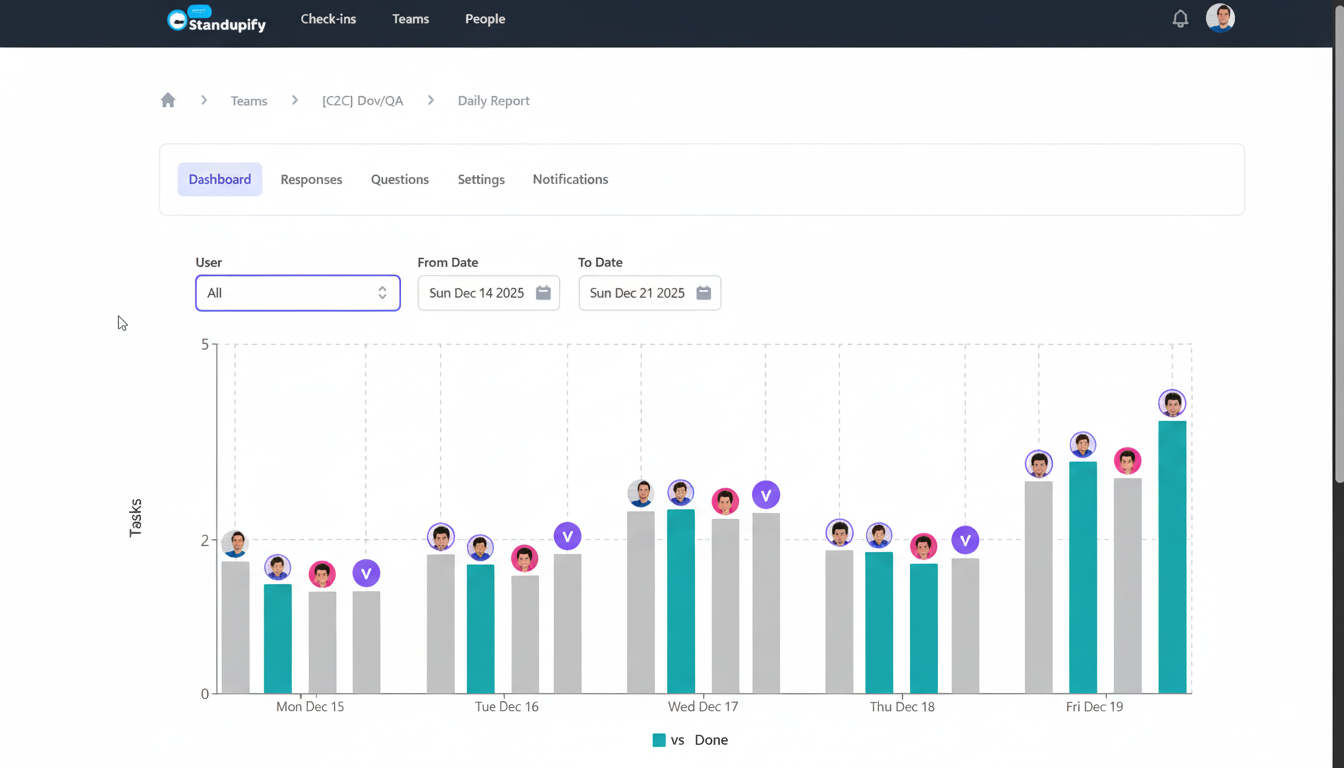
When daily standups are informed by real-time GitHub analytics, they transform from simple status updates into strategic discussions. A team member might report a blocker in Standupify, and a quick glance at the analytics dashboard could reveal a broader pattern of delays in a specific module or a bottleneck in code reviews. This allows the team to address the root cause, not just the symptom, making standups more productive and impactful.
Proactive Problem Solving
GitHub analytics can act as an early warning system. If commit frequency drops unexpectedly, or pull request merge times increase, these anomalies can be flagged even before they become major blockers. Integrating these insights into the context of daily Standupify updates enables teams to proactively investigate and resolve potential issues, preventing minor hiccups from escalating into significant project delays.
Fairer Performance Recognition and Growth
Objective data from GitHub analytics provides a balanced view of individual and team contributions. When combined with self-reported progress from Standupify, it allows for a more comprehensive and fair assessment of performance. This data can also highlight areas where developers might need additional support or training, fostering a culture of continuous learning and professional growth within the engineering workflow.
Refining Development Processes
By analyzing trends over time, teams can identify specific areas in their engineering workflow that need refinement. For example, if analytics consistently show long code review cycles for a particular type of change, the team might decide to implement new review guidelines or pair programming sessions. Standupify can then be used to track the impact of these changes on daily progress and blockers, creating a feedback loop for continuous process improvement.
Fostering a Culture of Continuous Improvement
Ultimately, the integration of automated standup bots and GitHub analytics cultivates a culture of transparency, accountability, and continuous improvement. Teams become more self-aware, empowered by data to identify their strengths and weaknesses. This leads to more collaborative problem-solving, better resource allocation, and a more efficient and enjoyable engineering workflow for everyone involved.
Implementing a Smarter Engineering Workflow
To harness these benefits, start by ensuring your team consistently uses Standupify for daily updates in Google Chat. Once the rhythm is established, introduce a GitHub analytics tool to start collecting and interpreting development data. Regularly review the analytics, perhaps during weekly retrospectives or sprint planning, and discuss how those insights relate to the daily updates from Standupify. Encourage team members to reference analytics data during standups to provide context or to highlight achievements.
Conclusion
Optimizing your engineering workflow is an ongoing journey that demands both efficient communication and deep analytical insight. By combining the power of automated Google Chat standups with Standupify and the objective, AI-driven insights from GitHub analytics, engineering teams can achieve unprecedented levels of collaboration, productivity, and continuous improvement. This synergy not only streamlines daily operations but also provides the strategic intelligence needed to build better software, faster, and with greater confidence in your development processes.