Is Goal Setting Dead? Why Systems Thinking is the Future of Team Productivity
For years, we've been told to set SMART goals: Specific, Measurable, Achievable, Relevant, and Time-bound. But what if the relentless pursuit of goals is actually hindering your team's productivity? As we navigate the complexities of 2026, it's time to question the conventional wisdom and explore a more sustainable approach: systems thinking. It's time to question if the traditional software engineering practices are still relevant.
The Problem with Goals: A Productivity Paradox
Goals provide direction, but they can also create a narrow focus that blinds us to the bigger picture. We become so fixated on achieving the target that we neglect the processes and habits that actually drive results. This can lead to a 'pre-success failure,' where we achieve a short-term goal but fail to build the foundation for long-term success. Consider the team that sprints to meet a quarterly deadline, only to collapse from burnout and miss subsequent milestones. While goals can be useful, they're not enough. Building better habits can improve your team's productivity in the long run.
The Checklist Paradox
The more routine a task becomes, the more susceptible we are to making mistakes. Our brains are wired to conserve energy, and when something feels familiar, we tend to go on autopilot. Checklists provide a protective barrier against these failures. Back in 2014, a private plane crashed, tragically killing seven people. The investigation revealed a shocking truth: for 98% of its 175 takeoffs, the plane had departed without completing the full pre-flight checklist. The crew had developed a habit of skipping crucial safety precautions. The major issue that day? A gust lock was still engaged, a detail that would have been caught by a proper checklist.
The Power of Systems: Building a Sustainable Productivity Engine
Systems thinking focuses on creating repeatable processes and feedback loops that drive continuous improvement. Instead of obsessing over the destination, we focus on building the engine that gets us there. A system is a set of interconnected elements that are organized to achieve a specific purpose. By focusing on the relationships between these elements, we can identify bottlenecks, optimize workflows, and create a self-sustaining cycle of progress. As Asian Efficiency points out, it's about shifting your focus to daily systems, feedback loops, and structural changes that can transform your productivity.
From Goals to Systems: A Practical Shift
How do you transition from a goal-oriented mindset to a systems-oriented approach? Here are a few practical steps:
- Decompose Complex Tasks: Break down large projects into smaller, manageable steps. This makes it easier to identify inefficiencies and create standardized processes.
- Build Feedback Loops: Implement mechanisms for tracking progress and identifying areas for improvement. This could involve regular standup meetings, performance dashboards, or customer feedback surveys. A team productivity bot can help with this.
- Focus on Continuous Improvement: Embrace a mindset of constant learning and experimentation. Encourage your team to identify and address bottlenecks in their workflows.
Standupify: A System for Streamlined Daily Standups
Standupify is a Google Chat bot designed to streamline daily standup meetings and integrate seamlessly with task tracking systems. It embodies the principles of systems thinking by automating the standup process, providing a clear view of team progress, and facilitating the identification of blockers. By using Standupify, teams can move away from ad-hoc meetings and towards a structured, efficient system for daily communication and task management.
Key Features of Standupify as a Productivity System:
- Automation: Automates the collection of standup updates, freeing up valuable time for team members.
- Integration: Integrates with popular task trackers, providing a comprehensive view of team progress.
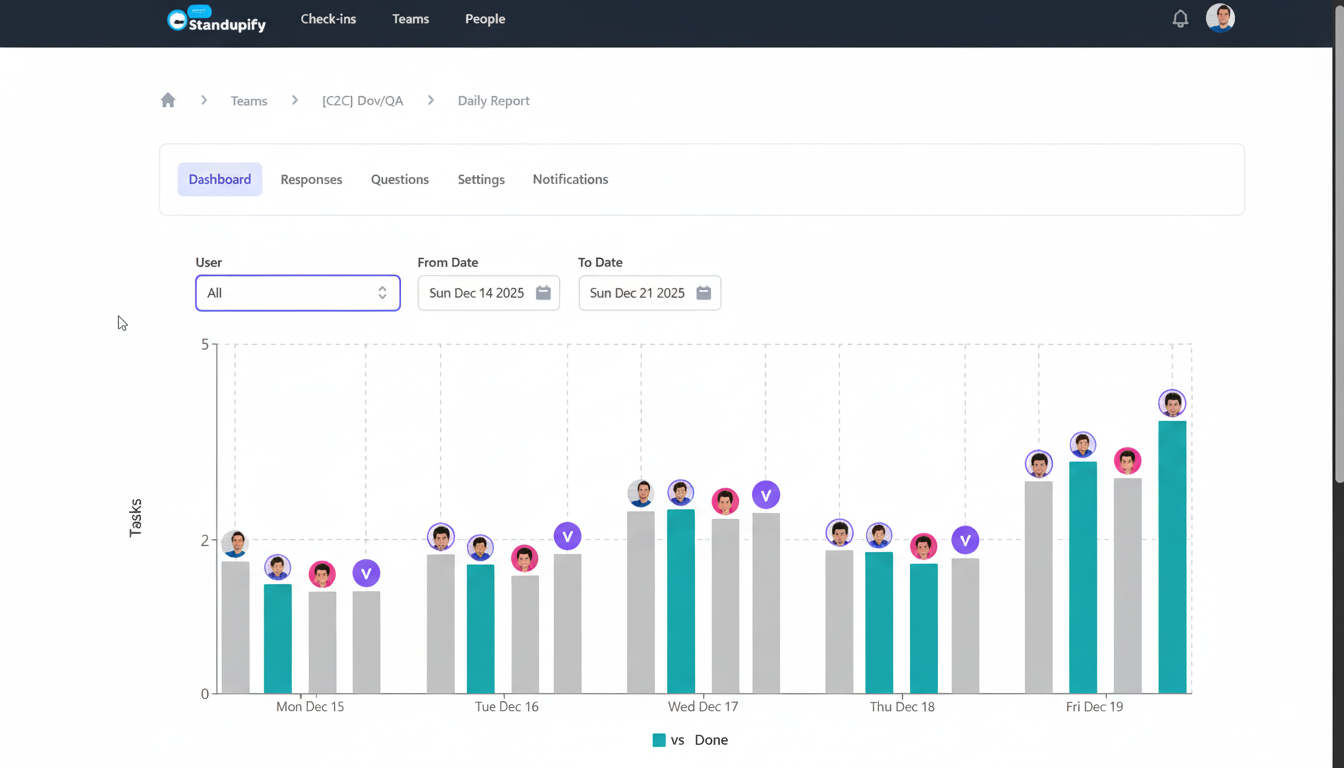
- Reporting: Generates reports that highlight key metrics and identify potential bottlenecks.
Consider using a Standup Bot with task tracker integration to help streamline your daily meetings and improve team communication. This allows for the whole team to stay on the same page.
Investing in Your Team: The Ultimate Productivity Hack
Ultimately, the most effective way to boost team productivity is to invest in your team members. This means providing them with the tools, training, and support they need to thrive. As Asian Efficiency emphasizes, the most successful individuals are those who consistently pour into themselves, understanding that personal growth isn't a luxury; it's a necessity for sustained success and fulfillment. Encourage your team to develop their skills, expand their networks, and prioritize their personal well-being.
Practical Strategies for Investing in Your Team:
- Provide Training Opportunities: Offer access to online courses, conferences, and workshops that can help your team members develop new skills.
- Encourage Knowledge Sharing: Create a culture of knowledge sharing where team members can learn from each other.
- Promote Work-Life Balance: Encourage your team members to prioritize their well-being and avoid burnout.
The Future of Productivity: Systems, Not Just Goals
As we move further into 2026, it's clear that the future of productivity lies in systems thinking. While goals provide direction, systems provide the framework for sustainable progress. By focusing on building repeatable processes, feedback loops, and a culture of continuous improvement, you can unlock your team's full potential and achieve lasting results. Don't just set goals; build systems. And remember, tools like Standupify can be a valuable asset in your quest for team productivity. You can also scale standup efficiency by ensuring you have the right tools in place.