The Standup Meeting Revolution: AI-Powered Automation Dominates in 2026
The daily standup, a cornerstone of agile development, is undergoing a radical transformation in 2026. Fueled by advancements in artificial intelligence and seamless task tracker integration, the era of manual, time-consuming standups is rapidly fading. Engineering Managers, Team Leads, Scrum Masters, and Product Managers are increasingly turning to AI-powered automation to streamline their daily routines and boost overall team productivity.
The Rise of AI-Powered Standups
For years, the traditional standup meeting has been a necessary, yet often inefficient, ritual. Teams gather, each member provides updates, and the meeting concludes. However, the reality often involves wasted time, tangential discussions, and a lack of actionable insights. A recent study highlighted that, on average, teams spend 15-20 minutes per person on standups, translating to significant productivity losses each week.
AI-powered standup bots, particularly those integrated with platforms like Google Chat, are changing the game. These bots automate the process of collecting updates, tracking progress, and identifying blockers, freeing up valuable time for more strategic tasks. The shift is being driven by the need for greater efficiency and a desire to eliminate the pain points associated with traditional standups. As we move further into 2026, expect to see even more sophisticated AI capabilities integrated into these tools.
Key Benefits of AI-Driven Automation
The advantages of adopting AI-powered standup automation are multifaceted. Here are some key benefits:
Enhanced Efficiency and Time Savings
AI automates the collection and summarization of standup updates, eliminating the need for lengthy verbal reports. Team members can submit their updates asynchronously, allowing the bot to compile a comprehensive overview of team progress. According to a recent survey, teams using AI-powered standup tools report a 20-30% reduction in meeting time. This allows team members to focus on their core responsibilities. This echoes the sentiment expressed in a recent Mashable report where executives claimed AI saved them 4-8 hours a week (Mashable), in contrast to employee experiences.
Improved Task Tracking and Visibility
Seamless integration with task tracking systems such as Jira, Asana, and Trello provides a real-time view of project status and individual progress. The bot can automatically pull relevant information from these systems, eliminating the need for manual updates and ensuring that everyone is on the same page. This level of visibility is crucial for identifying potential roadblocks and addressing them proactively. If you're curious about how this compares to traditional standups, check out our post on 5 Ways a Standup Bot with Task Tracker Integration Crushes Traditional Standups.
Data-Driven Insights and Reporting
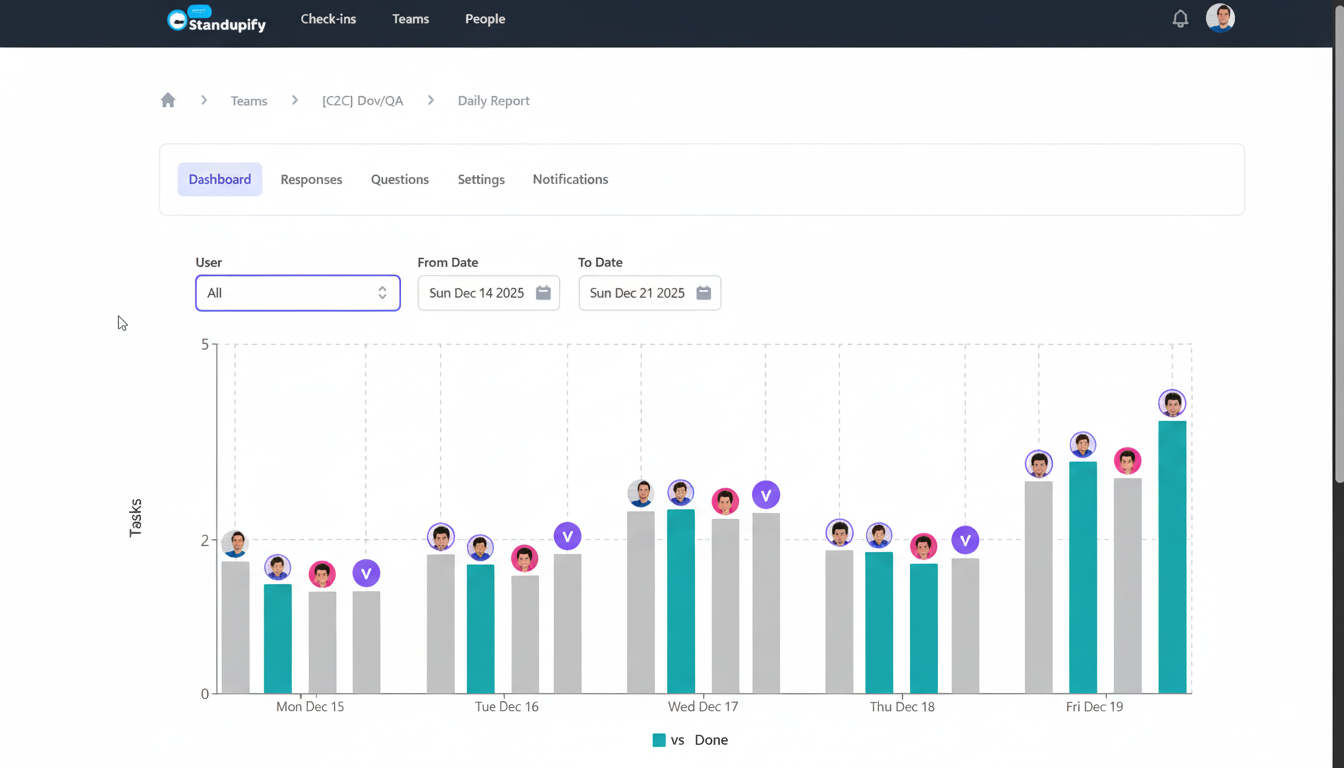
AI-powered standup tools generate valuable data on team performance, task completion rates, and potential bottlenecks. These insights can be used to identify areas for improvement and optimize workflows. For example, the bot can track the frequency of reported blockers and identify recurring issues that need to be addressed. This data-driven approach enables Engineering Managers and Team Leads to make informed decisions and drive continuous improvement. It also helps with tracking standup completion, ensuring everyone contributes.
Enhanced Team Collaboration and Communication
While AI automates many aspects of the standup process, it also fosters better team collaboration. By providing a centralized platform for sharing updates and tracking progress, the bot ensures that everyone is informed and engaged. The asynchronous nature of these tools also allows team members to participate at their convenience, regardless of their location or time zone. This is particularly beneficial for distributed teams. As teams grow, it becomes essential to Scale Standup Efficiency Without Sacrificing Team Cohesion.
Challenges and Considerations
While the benefits of AI-powered standup automation are clear, there are also some challenges and considerations to keep in mind:
- Data Privacy and Security: Ensuring the privacy and security of team data is paramount. Choose a standup bot that adheres to strict security protocols and complies with relevant data privacy regulations.
- Integration Complexity: Integrating the bot with existing task tracking systems and communication platforms can be complex. Ensure that the bot offers seamless integration with your preferred tools.
- User Adoption: Successfully adopting a new standup tool requires buy-in from all team members. Provide adequate training and support to ensure that everyone is comfortable using the bot.
The Future of Standup Meetings
Looking ahead, the future of standup meetings is undoubtedly intertwined with AI. As AI technology continues to evolve, we can expect to see even more sophisticated features and capabilities integrated into standup tools. For example, AI-powered sentiment analysis could be used to gauge team morale and identify potential conflicts. AI could also provide personalized recommendations for task prioritization and time management.
Furthermore, the rise of AI-powered wearable devices, such as the rumored Apple AI pin (Ars Technica), could further revolutionize the way teams collaborate and communicate. Imagine a future where team members can seamlessly share updates and track progress using a small, AI-powered device that integrates with their standup tool.
Conclusion
AI-powered automation is transforming the way teams conduct standup meetings in 2026. By automating the collection and summarization of updates, tracking progress, and providing data-driven insights, these tools are helping teams save time, improve collaboration, and boost overall productivity. As AI technology continues to evolve, we can expect to see even more innovative applications in the realm of standup meetings. Embracing this revolution is essential for Engineering Managers, Team Leads, Scrum Masters, and Product Managers who are committed to optimizing team performance and achieving their goals.