Is Traditional Software Engineering Dead?
The whispers started subtly, then grew into a chorus: Is traditional software engineering dead? It's a provocative question, especially in late 2025, as we stand on the precipice of a new era shaped by artificial intelligence and advanced automation. The landscape of software development is undeniably shifting, challenging long-held assumptions about the role of the developer and the very nature of coding itself.
The Rise of the Machines (and What It Means for Developers)
For decades, software engineering has been a human-driven process, relying on skilled individuals to translate complex requirements into functional code. But the rise of AI, particularly advancements in machine learning and natural language processing, is changing the game. Google Research, for instance, continues to push the boundaries of what's possible with AI, exploring everything from fundamental algorithms to innovative applications across various sectors. Their work highlights the potential for AI to automate tasks, enhance decision-making, and even generate code.
Consider the implications. Mundane, repetitive coding tasks that once consumed hours can now be handled by AI-powered tools. This frees up developers to focus on higher-level problem-solving, architectural design, and creative innovation. The shift is not about replacing developers, but rather augmenting their abilities and allowing them to work more strategically. We're seeing a move away from rote coding and toward a more abstract, design-oriented approach.
The Impact on Standup Meetings
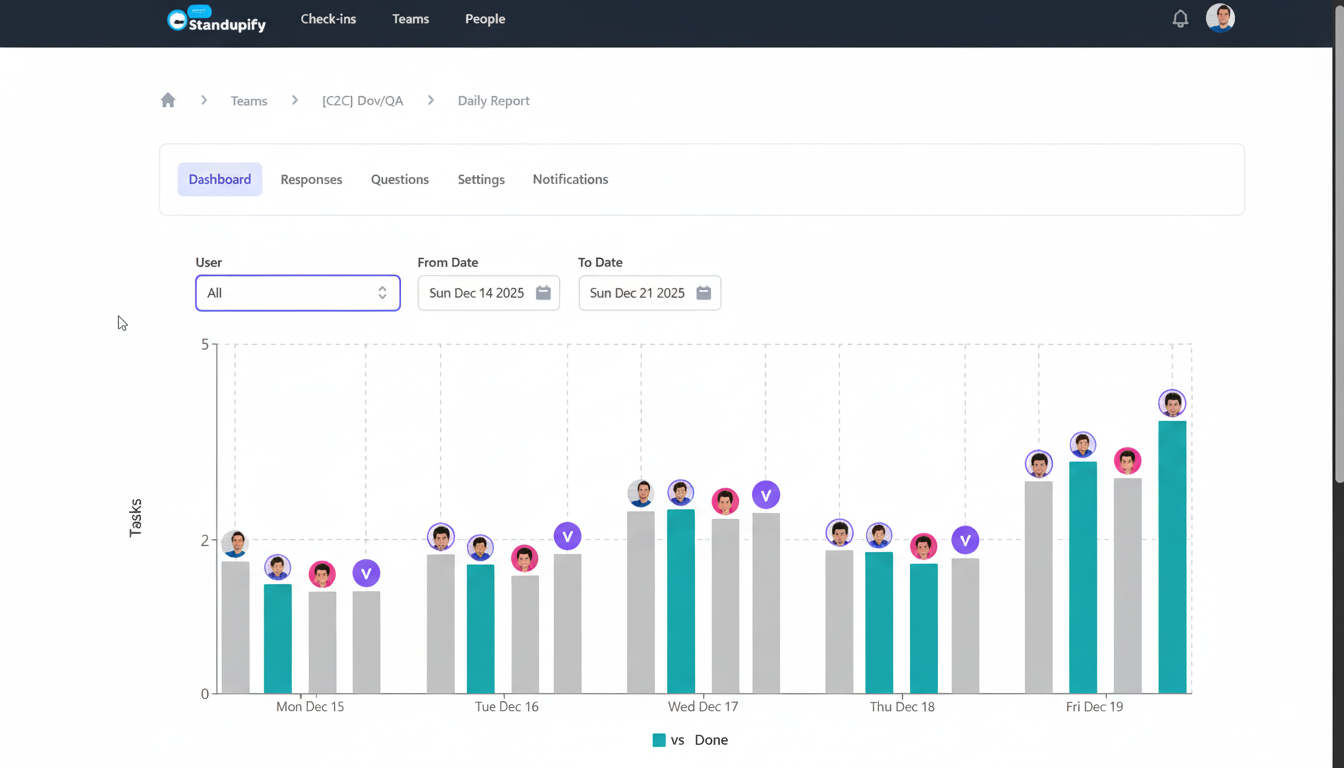
Even the daily standup, a staple of agile development, is being impacted by AI. Imagine a standup where AI can automatically summarize progress based on task tracker data, identify potential roadblocks, and even suggest solutions. This isn’t science fiction; it’s the direction we’re heading. Tools like Standupify are already integrating with task trackers to provide a comprehensive view of team progress, and the next logical step is to incorporate AI to further streamline the process. Think about how much time could be saved if the AI could proactively identify dependencies or potential conflicts based on the data it collects.
The Evolving Skillset of the Software Engineer
If the role of the developer is changing, so too is the required skillset. While coding proficiency remains essential, it's no longer sufficient. The modern software engineer needs a broader range of skills, including:
- AI Literacy: Understanding the capabilities and limitations of AI tools and how to effectively leverage them.
- Problem-Solving: Focusing on complex challenges that require creative solutions and critical thinking.
- Collaboration: Working effectively with cross-functional teams, including designers, product managers, and data scientists.
- Communication: Clearly articulating technical concepts to both technical and non-technical audiences.
The ability to adapt and learn continuously will be paramount. As AI continues to evolve, developers will need to stay ahead of the curve, mastering new tools and techniques. This also means embracing a more iterative and experimental approach to development, where failure is seen as a learning opportunity.
The Rise of Low-Code and No-Code Platforms
Another trend reshaping software engineering is the proliferation of low-code and no-code platforms. These platforms empower citizen developers – individuals with limited coding experience – to build applications using visual interfaces and pre-built components. While low-code/no-code solutions won't replace traditional development for complex, mission-critical applications, they can significantly accelerate the development of simpler applications and prototypes. This allows professional developers to focus on more strategic initiatives. The rise of these platforms democratizes software creation and allows businesses to respond more quickly to changing market demands.
The Importance of Development Integrations
In this evolving landscape, seamless development integrations become more critical than ever. Teams need tools that work together seamlessly, sharing data and automating workflows. Standupify is a prime example, integrating directly with task tracking systems to provide a unified view of progress. Without these integrations, teams risk becoming siloed, losing valuable time and efficiency. As AI-powered standups become more commonplace, the ability to integrate with a wide range of development tools will be a key differentiator. Consider exploring The AI-Powered Standup: Revolutionizing Team Productivity in 2026 for more insights into this trend.
The Human Element Still Matters
Despite the increasing role of AI and automation, the human element remains crucial. Software engineering is not just about writing code; it's about understanding user needs, solving complex problems, and building innovative solutions. Empathy, creativity, and critical thinking are all uniquely human qualities that cannot be easily replicated by machines. The future of software engineering is not about replacing humans with machines, but rather about creating a symbiotic relationship where humans and AI work together to achieve greater outcomes. Google's research into responsible AI underscores the importance of ensuring that AI systems are developed and used ethically and in a way that benefits society as a whole.
The Future is Hybrid
So, is traditional software engineering dead? The answer is a resounding no. But it is evolving. The future of software engineering is a hybrid one, where AI and automation augment human capabilities, allowing developers to focus on higher-level tasks and more strategic initiatives. By embracing these changes and adapting their skillsets, software engineers can thrive in this new era and continue to play a vital role in shaping the future of technology. As we move further into 2026, expect to see even more innovative tools and techniques emerge, further blurring the lines between human and machine in the software development process.