Why Your Morning Standup is Destroying Developer Flow (And What to Do)
The Psychology of Flow State: The Engine of Developer Productivity
As an Engineering Manager, you know that your team's ability to deliver high-quality code efficiently hinges on their capacity for deep, focused work. This isn't just about sitting at a desk; it's about achieving a 'flow state' – that coveted mental zone where developers are fully immersed, highly productive, and creatively engaged. In this state, complex problems are solved with elegance, and lines of code flow effortlessly. Protecting this state is paramount for developer productivity.
The True Cost of a 10 AM Interruption
Consider the traditional 10 AM daily standup. While well-intentioned, its timing often clashes directly with a developer's most productive hours. For engineers, the morning is prime time for tackling challenging tasks requiring peak cognitive energy. An interruption at 10 AM isn't just 15 minutes out of their day; studies show it takes an average of 23 minutes to recover focus after an interruption. This means a 15-minute standup can easily cost an engineer 40 minutes or more of valuable, uninterrupted work time.
This phenomenon highlights the fundamental conflict between the 'maker schedule vs manager schedule.' Managers thrive on meetings and context switching, but makers (like developers) require long, uninterrupted blocks of time to build and create. Forcing a maker into a manager's schedule through frequent, fixed-time interruptions like standups can be detrimental to their output and job satisfaction.
Shifting to Async Updates Before a Quick 5-Minute Sync
The solution isn't to eliminate standups entirely, but to evolve them. Embrace async agile principles by shifting the bulk of your standup to asynchronous updates. Here's how it works:
- Morning Async Check-in: Developers provide their updates (what they did yesterday, what they're doing today, any blockers) at the start of their workday, on their own schedule, via a tool like Standupify. This allows them to get their thoughts down without breaking their flow.
- Manager Review: Engineering Managers review these async updates before any synchronous meeting. This allows them to quickly identify blockers, dependencies, or critical discussion points.
- Quick, Targeted Sync: If a sync meeting is still necessary, it becomes a brief, 5-minute huddle focused *only* on addressing identified blockers or critical discussions. It's not a status report; it's a problem-solving session.
This approach allows your team to protect focus time, ensuring that peak morning cognitive energy is spent on deep work, not on reciting status updates.
Standupify's Role in Protecting Maker Schedules
Standupify is designed precisely for this shift. As a Google Chat Standup Bot with robust Jira integration, Standupify empowers your team to:
- Submit Updates Asynchronously: Developers can quickly provide their daily reports directly in Google Chat whenever it suits their flow, without a forced interruption.
- Automate Jira Integration: Standupify can pull relevant Jira ticket updates directly into the daily report, reducing manual effort and ensuring accuracy. Learn how to connect Standupify to Jira for automated daily reports.
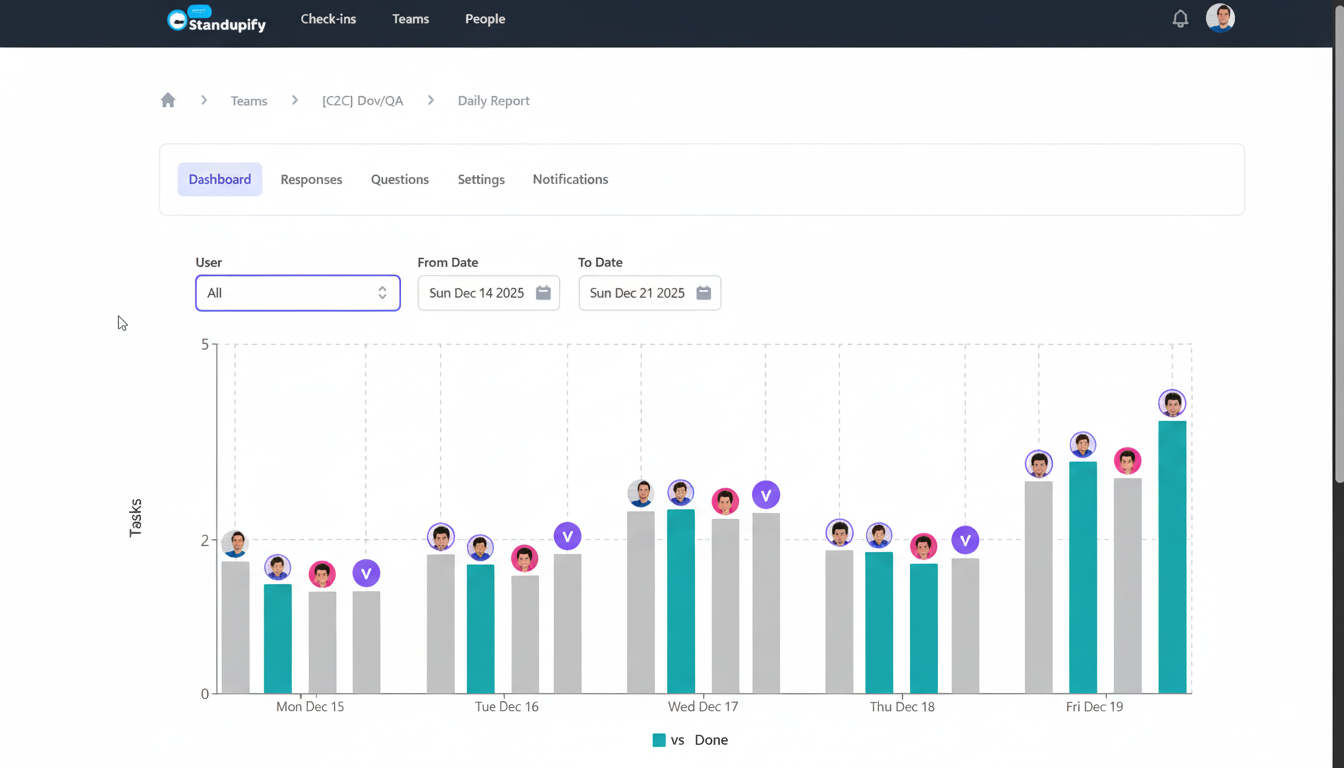
- Centralize Information: All team updates are collected and organized, providing managers with a clear, at-a-glance overview of progress and potential roadblocks.
- Facilitate Targeted Discussions: With all updates available asynchronously, any subsequent synchronous meeting can be shorter and more focused on critical issues, truly protecting your team's maker schedule.
- Deliver Automated Summaries: Get automated daily standup summaries in Google Chat, so everyone stays informed without needing to attend a meeting.
By leveraging Standupify, you can transform your daily standups from productivity destroyers into efficiency enablers, fostering a culture that respects and protects your developers' invaluable focus time.
Frequently asked questions
What is 'developer flow state' and why is it important?
Developer flow state, or 'the zone,' is a highly focused mental state where engineers are fully immersed in their work, leading to peak productivity and creativity. Interruptions can shatter this state, making it crucial to protect for optimal output.
How do traditional morning standups disrupt developer flow?
Traditional synchronous standups, especially those scheduled mid-morning, act as significant interruptions. They break concentration, force context switching, and can consume valuable 'peak morning cognitive energy,' making it difficult for developers to re-enter a flow state. It takes an average of 23 minutes to recover focus after an interruption.
What is the 'maker schedule vs. manager schedule' conflict?
The 'maker schedule' is preferred by developers, characterized by long, uninterrupted blocks of time for deep work. The 'manager schedule' is typically broken into many smaller meetings. Traditional standups force makers into a manager-like schedule, leading to reduced productivity and frustration.
How can async updates improve standups?
Async updates allow team members to provide their daily progress, blockers, and plans on their own schedule, typically at the start of their workday. This protects their morning focus time and allows for a much shorter, more targeted synchronous meeting (if needed) to discuss only critical issues, rather than status updates.
How does Standupify help protect developer focus time?
Standupify facilitates asynchronous standups by collecting updates via Google Chat and integrating with Jira. This allows developers to submit their reports without interrupting their flow, while providing managers with a comprehensive overview of team progress, protecting valuable morning cognitive energy and focus time.