The Future of Digital Collaboration: What to Expect in 2026
The digital workspace is in a constant state of flux, and 2026 is proving to be a pivotal year in how teams collaborate and manage their work. We're witnessing a profound shift from simply digitizing existing processes to fundamentally rethinking how our tools empower focus, foster well-being, and provide unwavering stability. As a Senior Tech Writer at Standupify, I believe that understanding these underlying trends is crucial for any Engineering Manager, Team Lead, Scrum Master, or Product Manager striving for peak team performance this year.
The Dawn of Hyper-Focused Work Environments
One of the most significant shifts we're seeing is the intense focus on reducing digital clutter and enhancing concentration. Google Chrome, for instance, has recently rolled out game-changing features designed to optimize our browsing experience. Vertical tabs are no longer a niche option; they're a productivity hack, allowing users to read full page titles "even when your tab count hits double digits," making organization far more intuitive. This isn't just about aesthetics; it's about minimizing the cognitive load associated with tab management, saving precious minutes throughout the day. Complementing this is the immersive reading mode, which transforms busy webpages into a text-focused experience, stripping away visual distractions. These updates, detailed in 9to5Google's report, are rolling out starting today, April 8, 2026.
For teams, the implications are clear: tools that enable deep work and reduce context switching are invaluable. When individual team members can maintain focus, their contributions become more impactful. This environment is precisely where efficient communication tools, like those for daily standups, thrive. By minimizing distractions elsewhere, we create a clearer runway for focused team discussions and updates.
Nurturing the Whole Employee: Well-being as a Productivity Metric
Beyond screen real estate, the conversation around productivity in 2026 has expanded to embrace a more holistic view of employee well-being. It's no longer enough to just track tasks; smart organizations recognize that a healthy, engaged team member is a productive one. Fitbit's latest update, version 4.66.1 for Android, is a testament to this trend, as this update from 9to5Google highlights. It introduces comprehensive water, food, and mood logging, alongside a prominent "Mental wellbeing" section within the app.
While Fitbit is a personal health tool, its evolution underscores a broader societal and professional awareness. Managers are increasingly recognizing that factors like hydration, nutrition, and mental state directly influence an individual's ability to concentrate, collaborate, and contribute effectively. For team leads, this means considering the 'human element' more deeply. Tools that support a balanced workflow and prevent burnout are becoming essential, directly impacting overall team throughput. If you're looking to optimize how your team achieves efficiency without endless meetings, you might find valuable insights in our post: Boost Team Throughput: How to Achieve Flow Efficiency Without Endless Meetings.
The Invisible Backbone: Stability and Security in 2026
Underpinning all these advancements in user experience and well-being is the critical, often unseen, foundation of system stability and security. Without a robust and reliable operating system, even the most innovative applications would falter. Google's commitment to this is evident in the Android 16 April update, which is rolling out to Pixel devices. As 9to5Google details, this patch resolves 1 security issue dated 2026-04-01 and 4 for 2026-04-05, with vulnerabilities ranging from high to critical. These continuous updates ensure that our devices and the apps running on them remain secure and perform optimally, minimizing disruptive crashes and data breaches.
For collaboration tools, this stability is non-negotiable. Imagine relying on a `scrum standup bot` for daily updates, only for the underlying platform to be prone to crashes or security risks. The trust in such a tool would quickly erode. Teams depend on seamless operation for accurate `standup performance tracking` and efficient workflow management. This steadfast reliability allows developers to build sophisticated applications that truly enhance productivity, rather than becoming a source of frustration. To see how a stable platform empowers efficient workflows, consider how a dedicated bot can Streamline Your Workflow: Shared Inbox Management HubSpot & Google Chat Standups.
Standupify's Role in the Evolving Digital Landscape
At Standupify, we're keenly aware of these converging trends. Our Google Chat bot for daily standups with task tracker integration is designed to thrive in this evolving digital ecosystem. We leverage the inherent stability and seamless integration of the Google Chat environment, which benefits from the same foundational improvements seen in Chrome and Android.
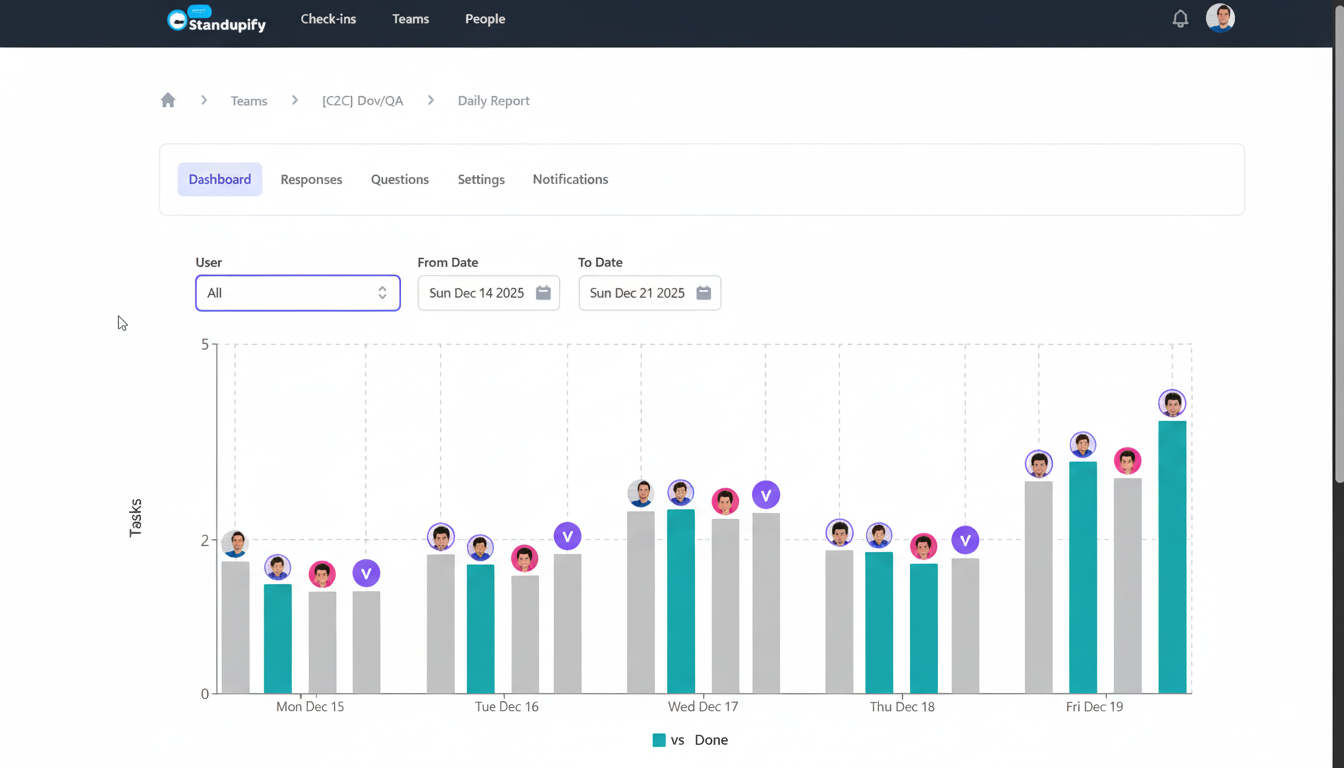
Our goal is to provide a solution that empowers teams to embrace hyper-focused work by automating the repetitive aspects of standups, freeing up valuable time for deep work. By integrating with task tracking systems, Standupify provides clear `standup performance tracking`, offering a comprehensive view of team progress and potential blockers without adding to digital noise. It acts as an intelligent `scrum standup bot`, ensuring that daily updates are efficient, consistent, and contribute directly to overall team productivity. In 2026, it's not just about having a bot; it's about having an intelligent, reliable partner that understands and adapts to the modern demands of digital collaboration.
Charting the Course for Tomorrow's Teams
The year 2026 is shaping up to be a defining moment for digital collaboration. We're moving towards tools that don't just facilitate communication but actively cultivate focus, support holistic well-being, and operate on rock-solid, secure foundations. For Engineering Managers, Team Leads, Scrum Masters, and Product Managers, the challenge and opportunity lie in embracing these trends.
The future of work is about smarter tools that respect our time, enhance our concentration, and contribute to a healthier work-life balance. By choosing solutions that align with these principles, teams can unlock unprecedented levels of efficiency and innovation. It's time to build a collaborative future that works better for everyone.